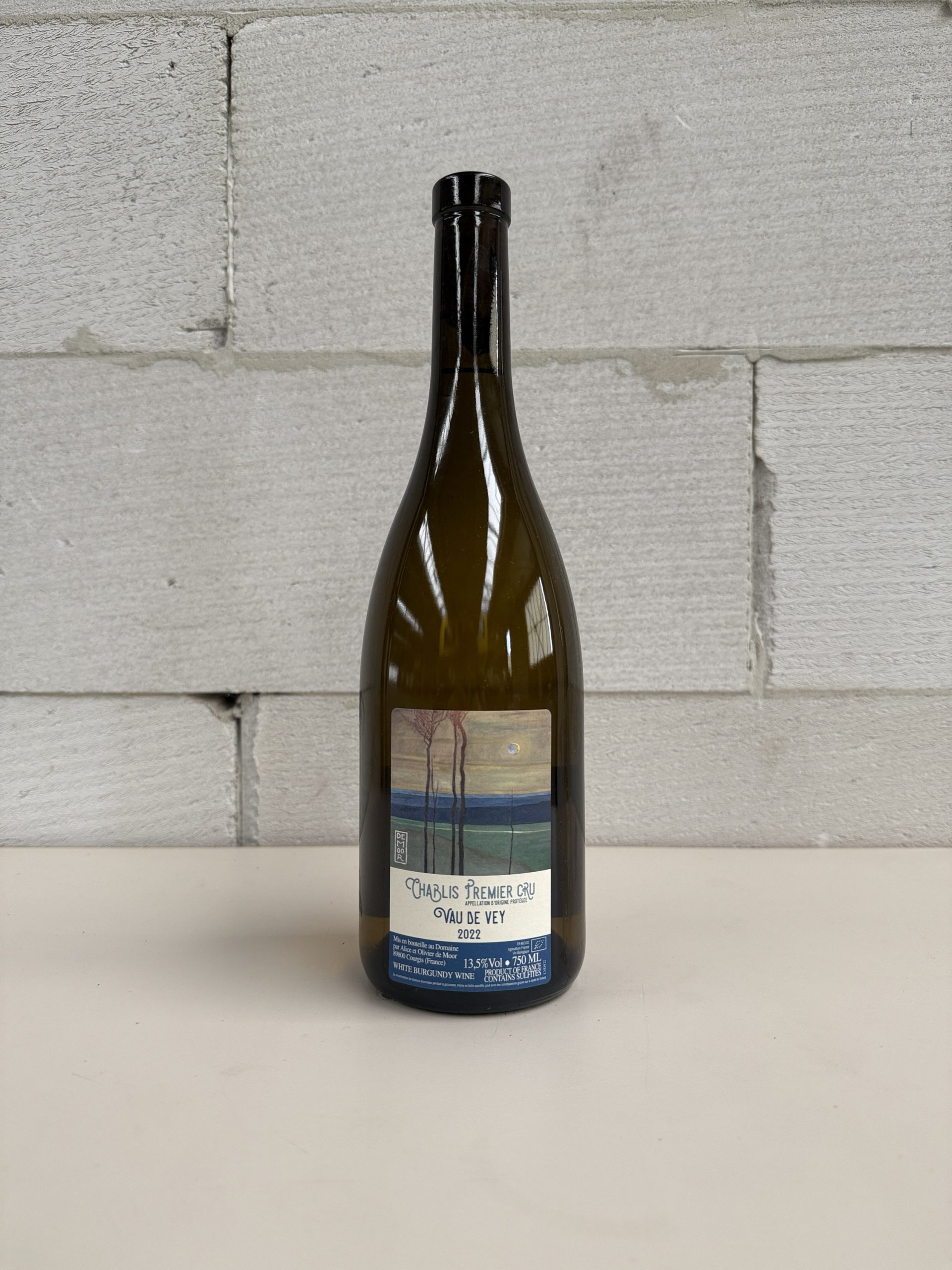
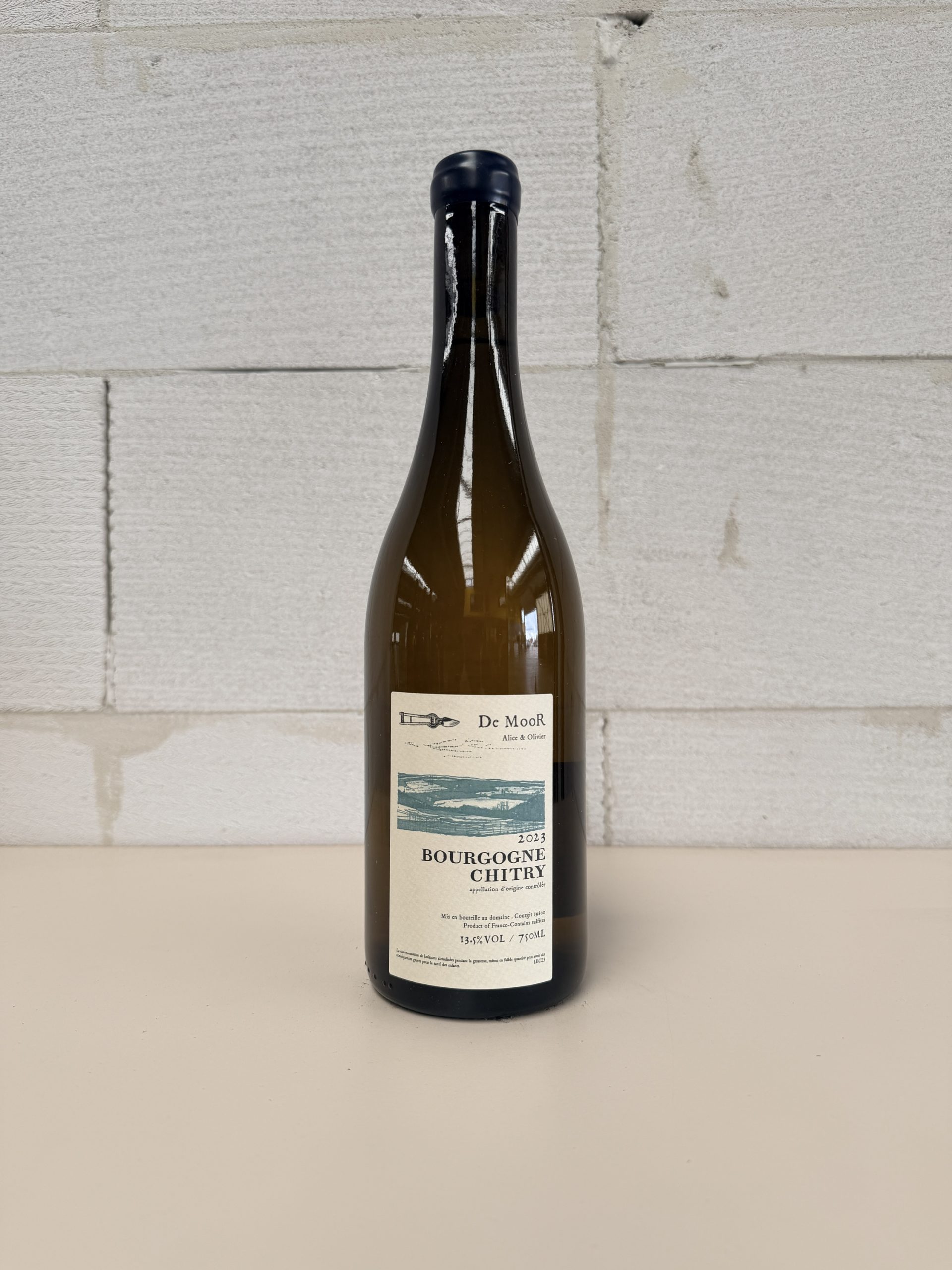
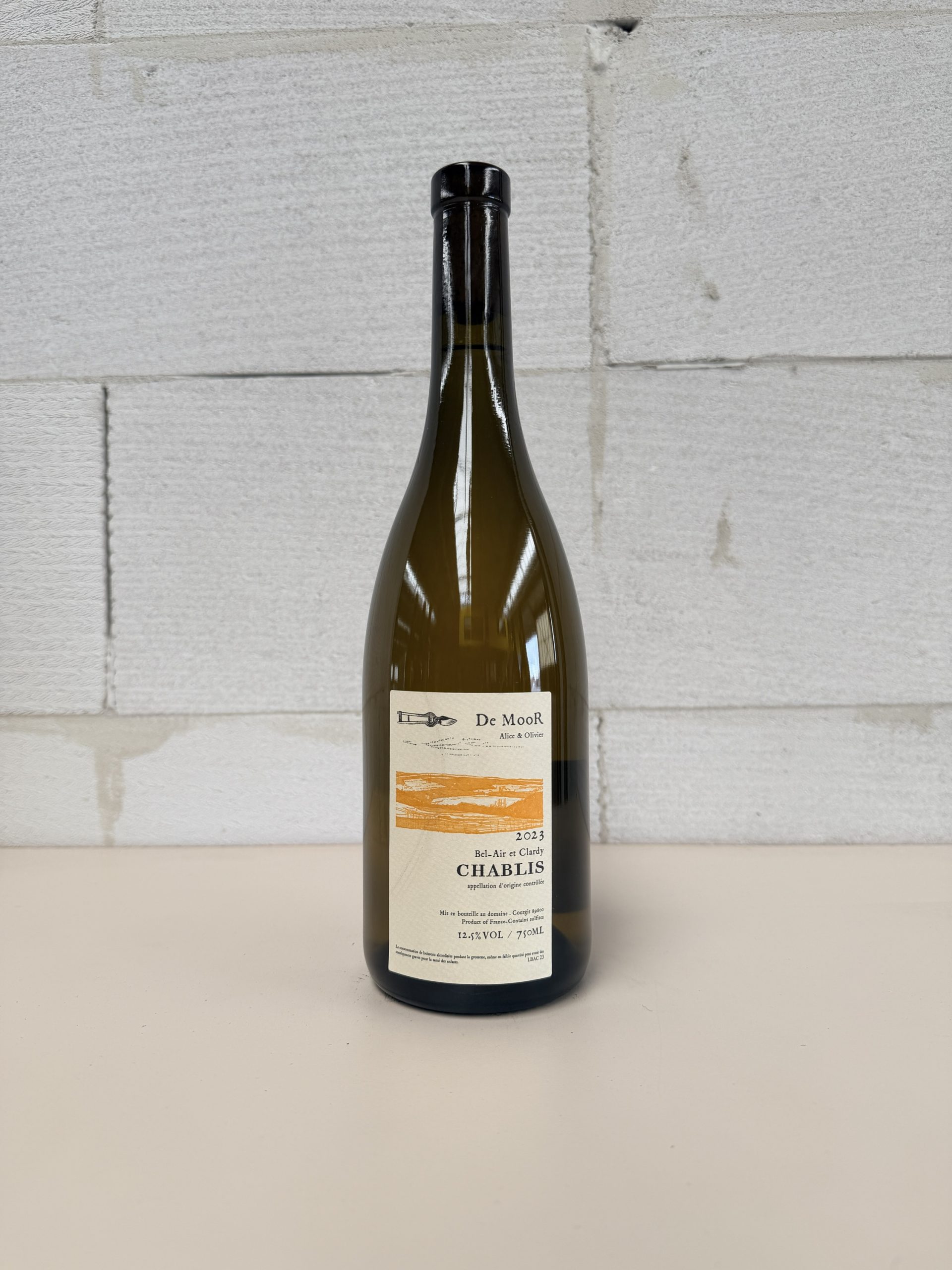
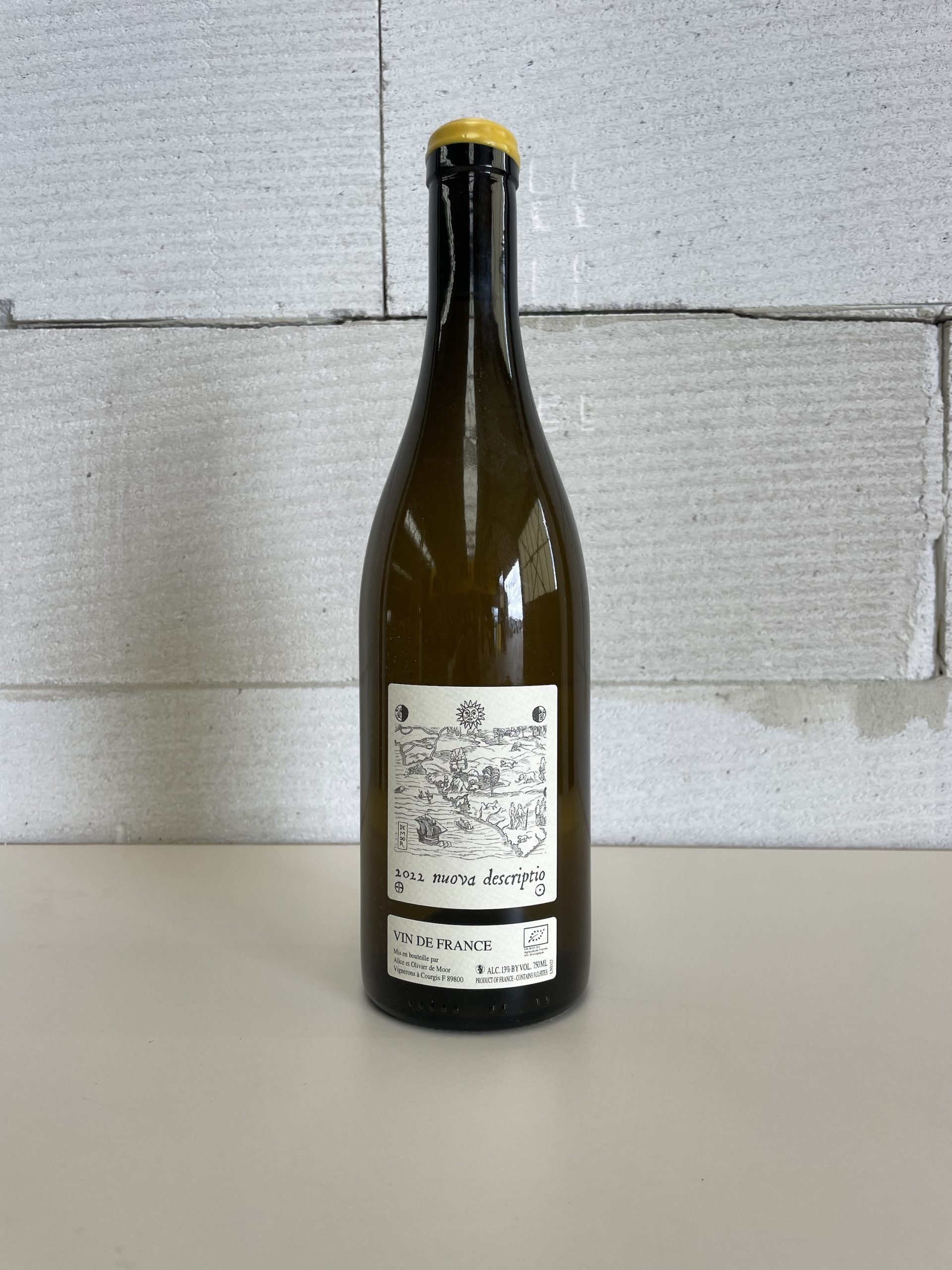
Since their first vintage in 1995, Alice & Olivier de Moor have quietly become some of the most respected and thoughtful vignerons of their generation. In Chablis—a region where chemical treatments and underripe harvesting are the norm—they’ve taken a different path, embracing regenerative farming and minimal intervention winemaking.
Their Chardonnays, Aligotés, and Sauvignon Blancs are renowned for their purity. The terroir shines through thanks to the health and ripeness of their fruit, preserved throughout their patient winemaking process. No filtration, minimal sulfur, and absolutely no shortcuts. While most in Chablis lean into modern stainless-steel techniques, the de Moors prefer long fermentations and élevage in old oak barrels, crafting wines that feel richer and more evolved. Olivier sees this as a nod to the traditional winemaking of the region.
The division of labor is simple: Olivier oversees the vineyards (and creates the label artwork), while Alice takes care of the cellar. Their winery is based in Courgis, a small village 7 km southwest of Chablis.
In 2016, disaster struck when frost and hail wiped out 95% of their crop. Forced to adapt, they launched Le Vendangeurs Masqués (The Masked Harvesters), a négociant project that allowed them to purchase grapes from like-minded growers. This gave them the chance to experiment with cuvées sourced from friends like Eric Pfifferling, Gérald Oustric, and Domaine Gramenon. They’ve also added their own new plots, which are in the process of becoming certified organic.
The de Moors’ wines reflect their humble, meticulous approach—a breath of fresh air in a region grappling with commercialization. But beyond the philosophy, these wines are simply a joy to drink.
Chablis: The Land Beneath the Wines
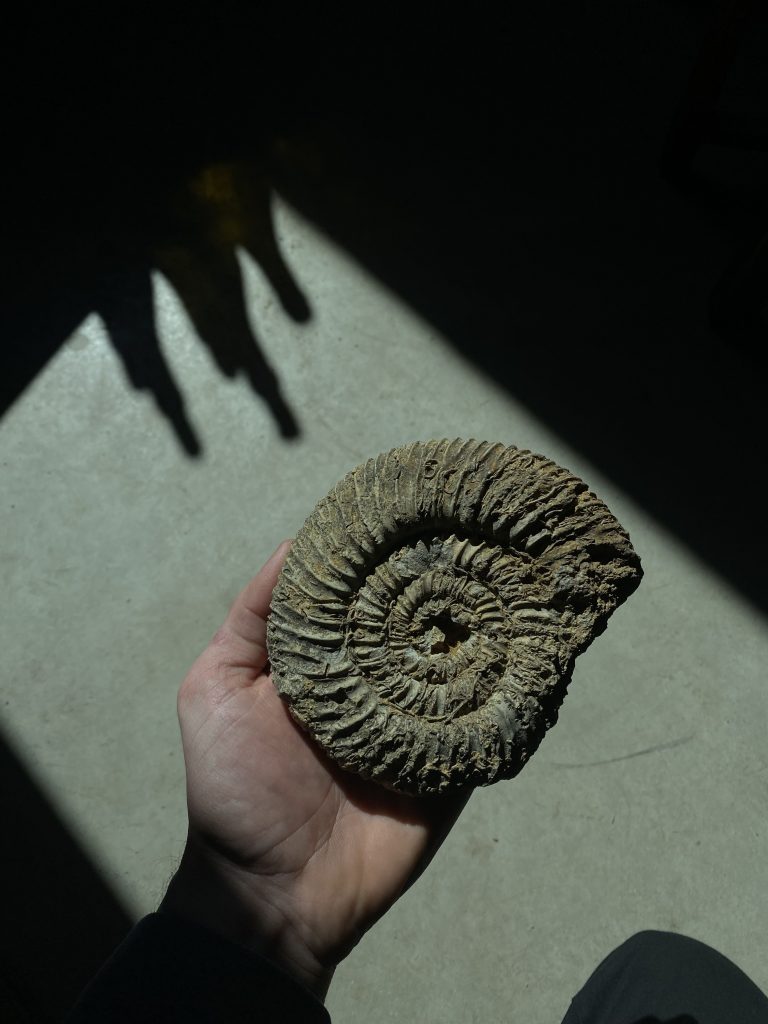
Chablis is the northernmost subregion of Burgundy, defined by its unique Kimmeridgian soils—sedimentary clay and limestone-rich with fossilized shellfish, including the iconic Exogyra virgula (comma-shaped oysters). This ancient seabed imparts a distinct minerality to the wines. Chablis’ cool, wet continental climate can be challenging, and many local growers rely heavily on chemicals to protect their crops.
The De Moors’ Journey
Alice, originally from the Jura, and Olivier, a native of Chablis, both studied at the Dijon Oenological School. They met while working at a large Chablis estate, where Olivier managed the vineyards. Over the years, Olivier has watched the landscape change dramatically as the region’s popularity has grown, with biodiversity declining as orchards, woodlands, and fallow lands gave way to vines.
Olivier planted their first parcels in 1989, including the now-iconic Bel-Air, Clardy, and Rosette sites. By the mid-1990s, they left their jobs to focus on their own vineyards, including old-vine Saint-Bris parcels of Sauvignon Blanc and Aligoté (planted in 1902). They also planted Champagne, a plot in Chitry, with Aligoté and Chardonnay in 1996. In 2017, they expanded into Chablis Premier Cru with Vau de Vey (0.92 hectares, vines planted in 1953) and Mont de Milieu (0.82 hectares, with plantings from the 1930s and 1980s). Today, they farm around 10 hectares, producing roughly 45,000 bottles annually, including négociant wines.
Evolving Practices
The de Moors converted to organic farming in 2005 and are always refining their methods. They:
- Prune to reduce yields and improve fruit concentration.
- Harvest by hand, using small crates to prevent oxidation.
- Built a gravity-fed cellar in 2007 for gentler processing.
- Use a pneumatic press purchased in 2008 for more delicate extractions.
- Vinify each parcel separately, blending only when necessary.
- Age wines on the lees in old oak barrels, avoiding bâtonnage.
- Rarely filter their wines, and only add minimal sulfur at bottling (never exceeding 30 mg/L).
In the face of climate change and environmental challenges, the de Moors prioritize natural farming and soil health. They’ve minimized plowing, replanted trees and hedges to create “ecological corridors,” and worked to reconnect their vines with the natural ecosystem, fostering mycorrhizal relationships (symbioses between fungi and plants).
Olivier has even written an open letter to fellow vignerons, calling for collective action to rethink the unsustainable practices of modern viticulture. His message is clear: vineyards thrive best when treated as part of a living, interconnected system.
Certified organic since 2005, Alice & Olivier de Moor continue to push the boundaries of thoughtful, regenerative winemaking. Their wines aren’t just a product of their expertise—they’re a reflection of their respect for nature and their commitment to doing things differently.