

All our producers > Ca’ dei Zago
Ca’ dei Zago
Italy, Veneto, Valdobbiadene
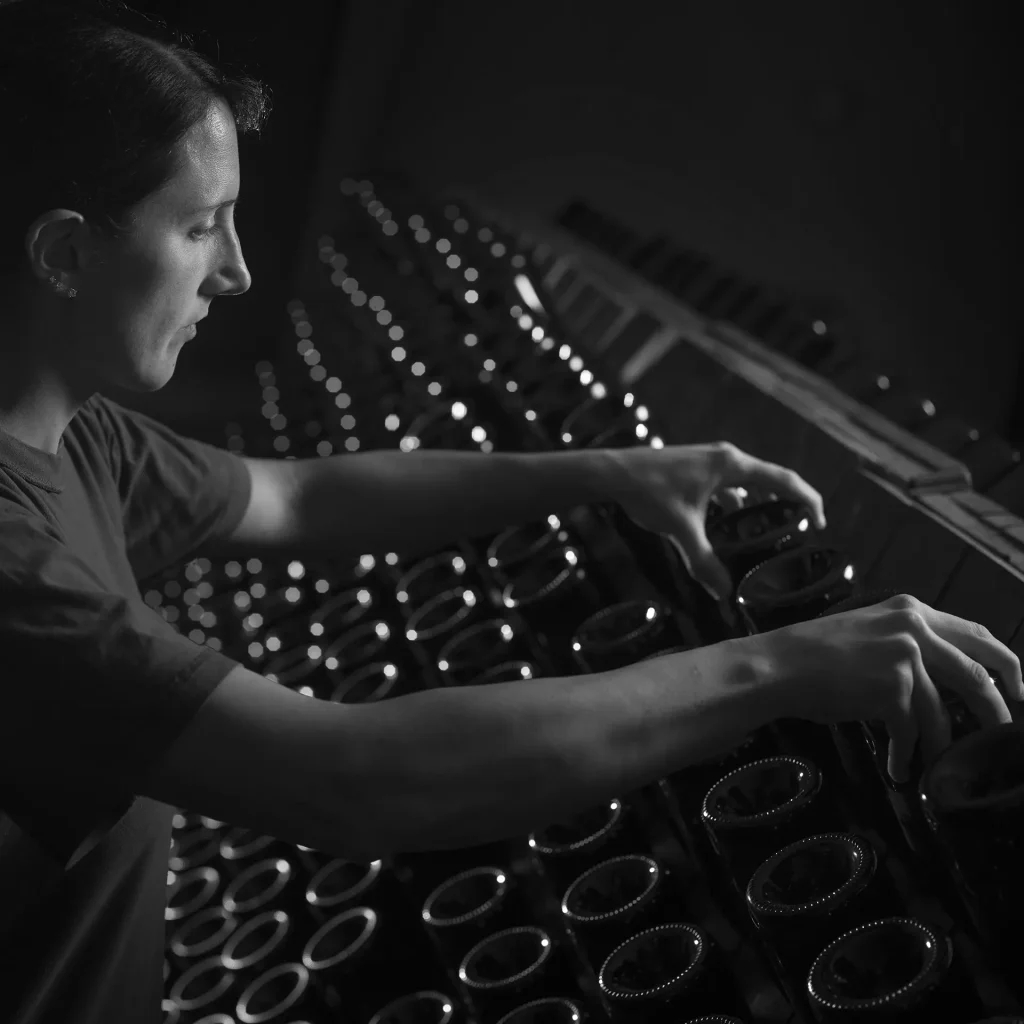
The wines of
Ca’ dei Zago

€28,00 inc. VAT
A traditional-method, zero-dosage sparkling wine from the Bastia vineyard above the ridge between San Pietro di Barbozza and Saccol, bordering Cartizze: a south-facing 0.86-ha site where the vines sit at about 300 meters above sea level, on clayey limestone over Marna sandstone with marine fossils. Bottle-fermented and disgorged after 18 months on lees with no dosage, it’s taut and finely aromatic—green apple, lemon peel and white flowers—layered with crushed stone, chalk and a subtle pastry/almond note from the lees, finishing long, dry and mouthwatering.

€23,00 inc. VAT
This traditional frizzante from Valdobbiadene is made from Glera, Bianchetta, Verdiso, and Perera grown on calcareous hillside vineyards. Fermentation takes place in cement before the wine undergoes spontaneous bottle refermentation according to the ancestral method. It shows aromas of lemon peel and white flowers with hints of almond, supported by a fine, naturally cloudy mousse and a refreshing citrus finish.
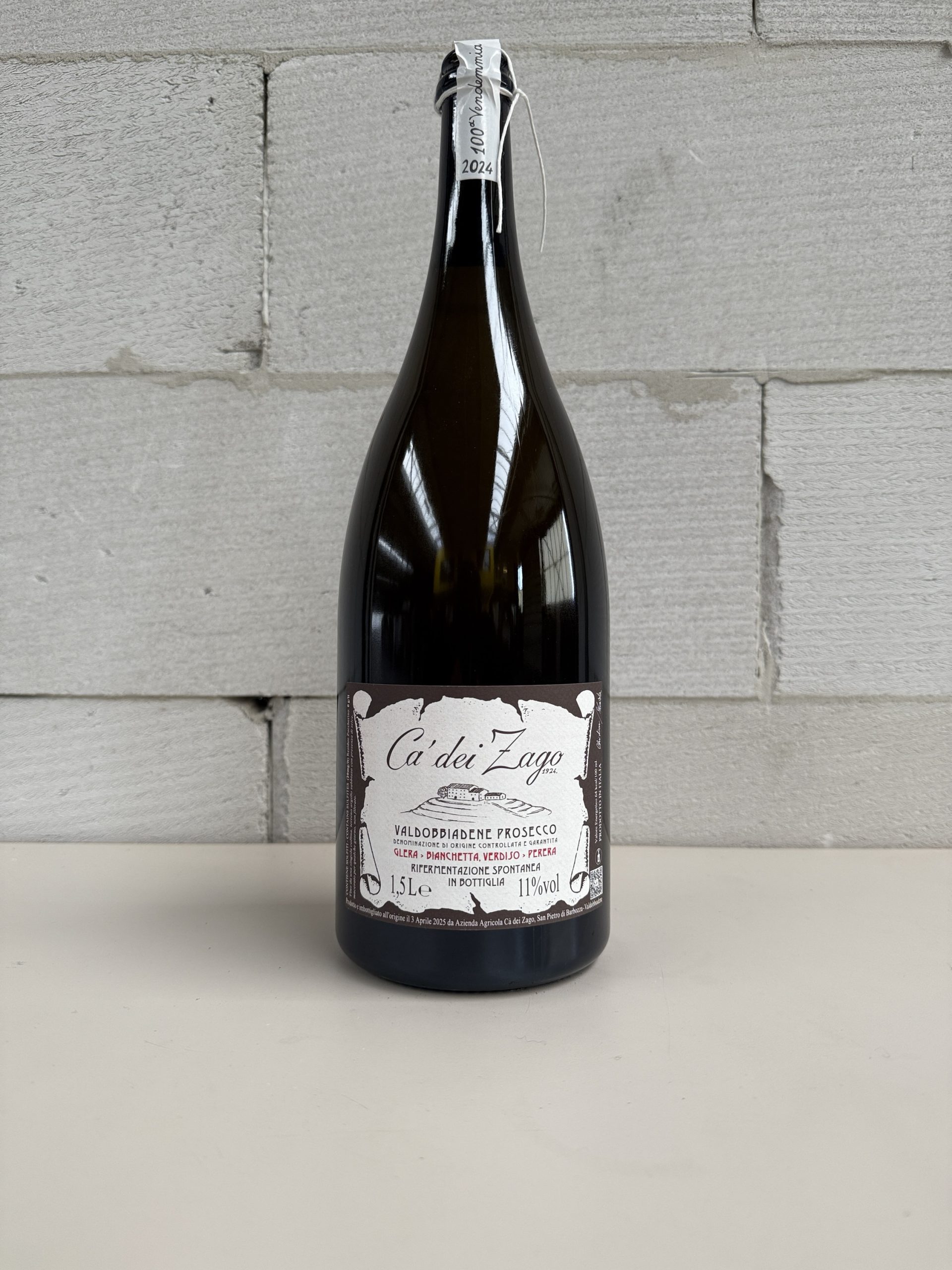
€48,00 inc. VAT
From the steep hills of San Pietro di Barbozza in Valdobbiadene (Treviso), this comes from a 4.5-ha family holding (owned since 1924) on terraced slopes around 250 meters above sea level, with morainic clay-sandy soils packed with flint and other hard stones (not limestone). A Glera-dominant col fondo (with Bianchetta, Verdiso and Perera), it’s spontaneously fermented with a few days on skins, racked with no added sulphur, then bottled to finish fermentation on its lees. A little bit cloudy, bone-dry and salty, with crunchy apple/pear and a gently bready edge.

€23,00 inc. VAT
From the steep hills of San Pietro di Barbozza in Valdobbiadene (Treviso), this comes from a 4.5-ha family holding (owned since 1924) on terraced slopes around 250 meters above sea level, with morainic clay-sandy soils packed with flint and other hard stones (not limestone). A Glera-dominant col fondo (with Bianchetta, Verdiso and Perera), it’s spontaneously fermented with a few days on skins, racked with no added sulphur, then bottled to finish fermentation on its lees. A little bit cloudy, bone-dry and salty, with crunchy apple/pear and a gently bready edge.
