The History of I Vigneri
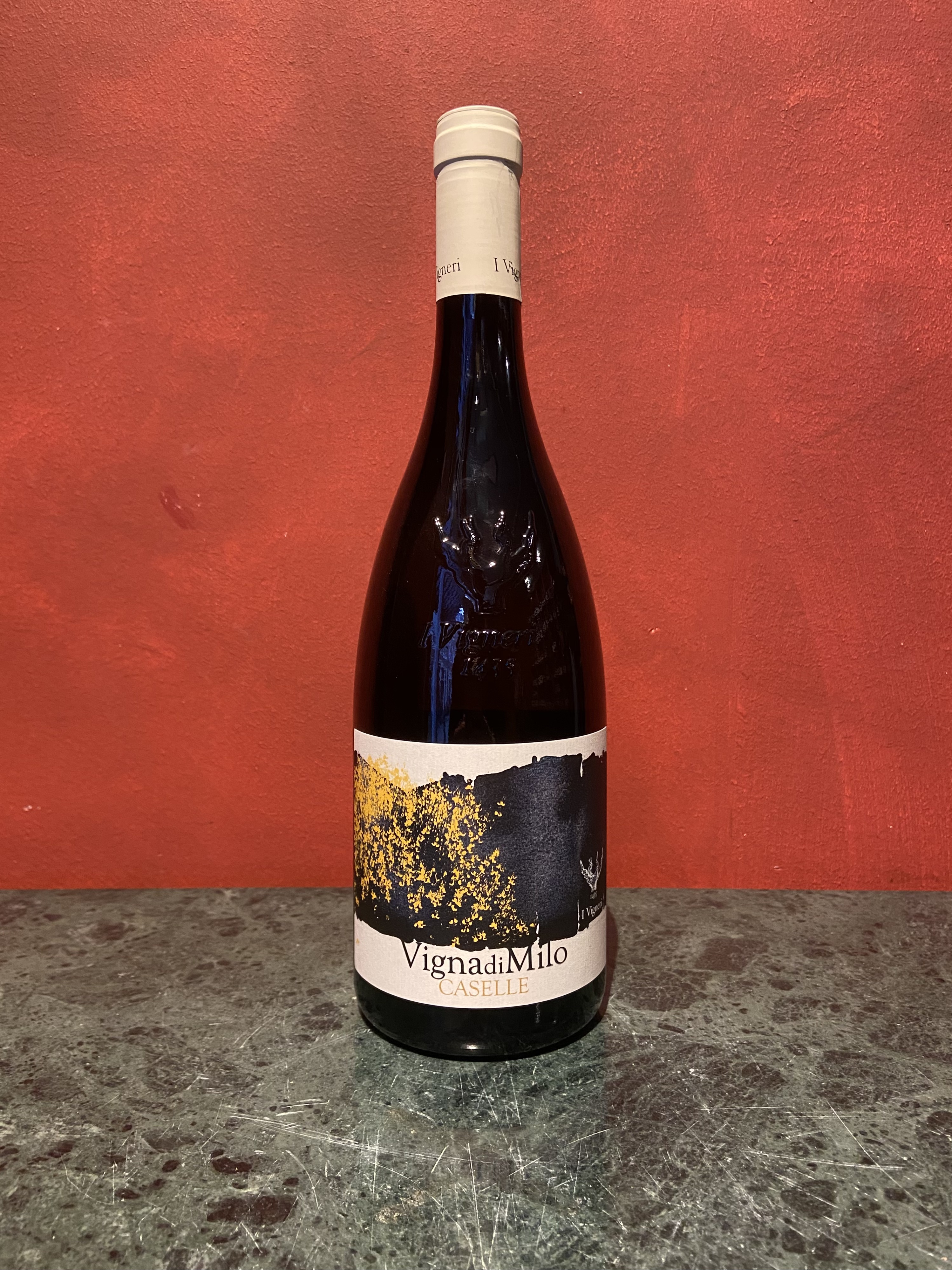
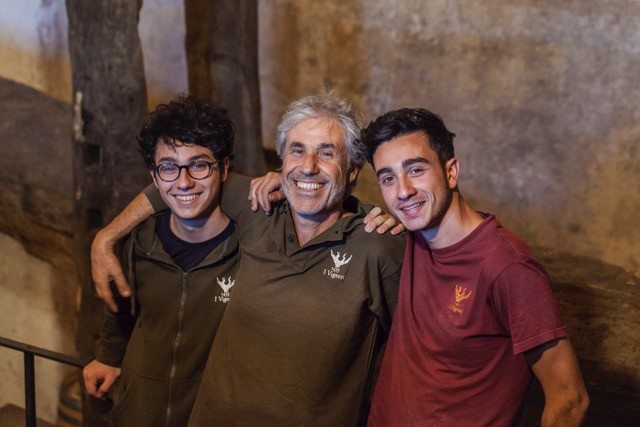
The estate’s winery, designed by Salvo himself, is in Contrada Caselle, in the village of Milo. It lies almost as far from the crater of Etna, 10 km to the west, as it is from the Ionian Sea, 8 km downhill to the east. The contrada was planted by Salvo using ancient techniques. On Etna, phylloxera is less of a threat due to the sandy volcanic soil. Both ancient pre-phylloxera vineyards and newly planted ungrafted parcels can be found. Salvo’s sons, Simone and Andréa, now manage much of the estate alongside him. Their approach is in line with their father’s vision and emphasises a desire to keep moving forward, through research and new trials in the cellar. Simone studied viticulture in Beaune and Andréa studied oenology in Milan.
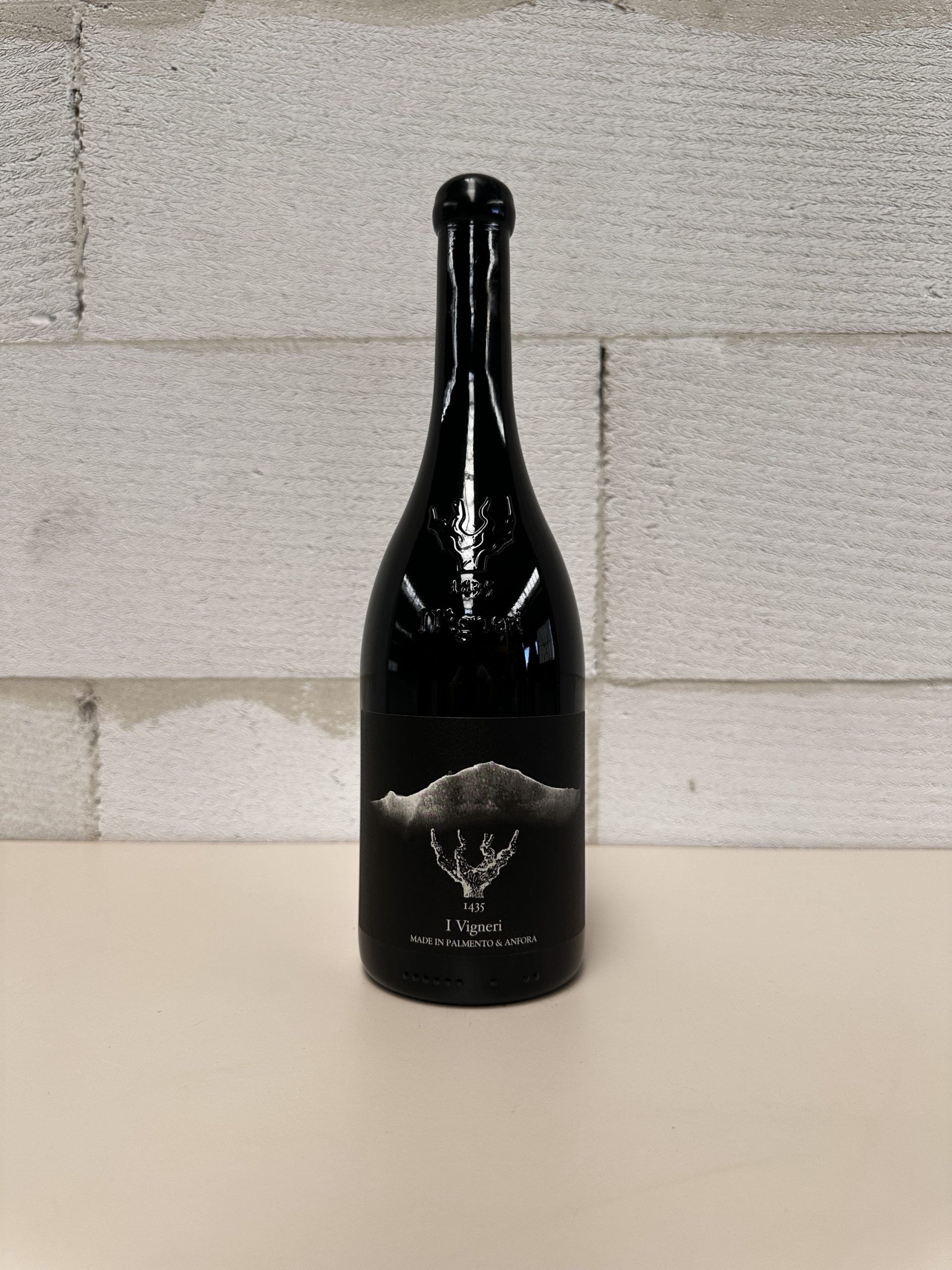
I Vigneri was established by Salvo Foti around 30 years ago. It was originally a “consortium” in the old sense: a partnership between tradesmen or craftsmen and their companies. It is a successor to the medieval guild in that it aims not only at protecting the quality of the trade and the goods produced, but at establishing standards and training apprentices and future generations. Whereas the modern “Appellation” system regulates things such as yield and the names on the labels, I Vigneri serves to protect techniques such as the ancient “alberello” pruning or the use of the palmento winery. More than a family project, I Vigneri was initially founded to revive the spirit of the “Maestranza dei Vigneri”, established in 1435 as the custodians of Etna.
Salvo also had a career as a viticulturist and oenologist, advising key estates in the region and beyond Etna, though he always remained in Sicily. He also conducted extensive research on the history of winemaking on the volcano and still has strong ties with the University of Catania. He realised that the region relied heavily on elderly local workers for their knowledge and know-how, those who had dedicated their lives to working in the vineyard. I Vigneri also aims at capturing and protecting their savoir. The website features meticulous and technical data sheets about each wine and vineyard, but also includes more philosophical reflections from Salvo about the role of man and beauty in nature. Salvo has also written books and essays; the full bibliography is available on his website.
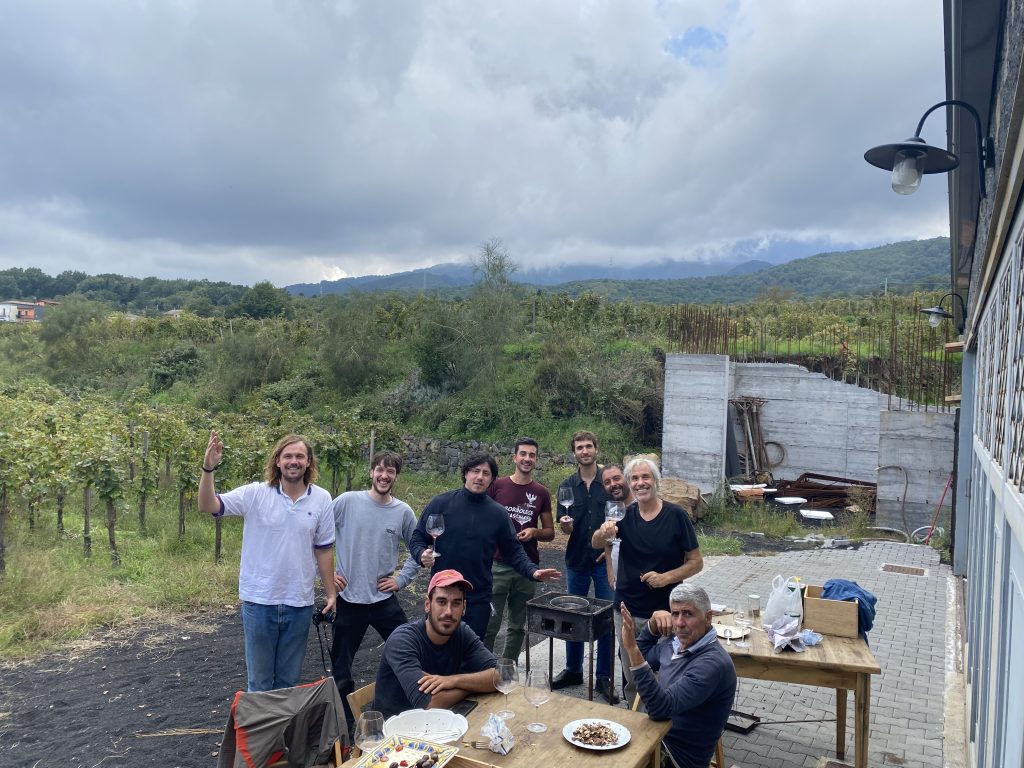
Harvest lunch with Salvo Foti and his team, October 2022.
The estate works across several sides of Etna. On the eastern slopes near Milo, the family cultivates Carricante, a white grape historically grown in this zone. On the northern slopes, they cultivate Nerello Mascalese and other red varieties at altitudes ranging from 500 to 1,300 metres. They also maintain plantings of Grenache, locally called Alicante and introduced by the Spanish in the 16th century, now established in the northern parcels of Etna. The family maintains a flexible relationship with appellations. Wines are bottled under Etna DOC when possible, but some parcels or wines fall outside its regulations, although they are sometimes the most distinctive. High-altitude vineyards above 900 metres, or wines produced using Palmento methods, are released with the “lower” IGT designation.
Viticultural Philosophy
In recent decades Salvo has witnessed Etna becoming increasingly popular among well-known figures in the wine industry, which has led to an influx of investment in the region. However, with money came the “international style” of making “great wine”: big and bold reds, the use of non-native yeasts in fermentation, and the relative abandonment of ancient viticultural techniques. In short, wines not aiming to translate the unique terroir of the area but rather exploiting it for profit.
“Today making a good wine is not difficult. It is difficult to produce an excellent wine while respecting the environment and people .”
On Etna, many vineyards are planted using the traditional technique of magliuoli (mallet cuttings). A magliuolo is a thick cane cut from a mature vine, usually with a short piece of old wood at its base. The cutting is planted directly into the volcanic soil, where it takes root and grows into a new vine. The shape of the cutting resembles a mallet, which gives the method its name. Magliuoli are planted ungrafted.
At the core of I Vigneri’s practices lies the traditional alberello method. This ancient technique involves training the vines to grow as a single vertical trunk supported by a chestnut stake. The structure allows for high density, encourages deep rooting, and gives the leaves and grapes maximum exposure to sunlight.
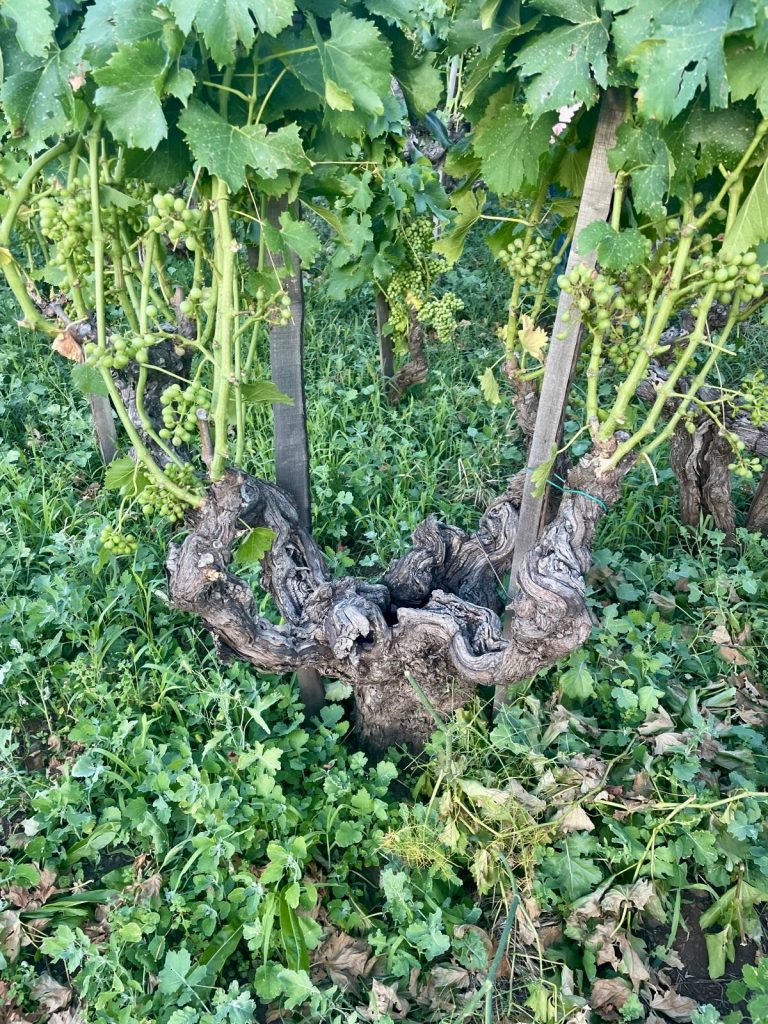
An old Albarello trained vine.
“Men and women, as well as an alberello vine, must always have their roots firmly in the past, in the ground, living the present with the vision of the future, in harmony with all living beings, with all that surrounds us, with nature, with our Earth, of which we are a part, and not something above.”
Harvests are often late on Etna, sometimes extending into October, which can be challenging for grape quality. The alberello system ensures better ventilation, aiding the health of the vines and the consistency of the fruit, even in difficult years.
The estate works with different exposures, altitudes and varieties. East, near Milo, Carricante dominates on sandy soils with large amounts of ripiddu, the light volcanic pumice stones that fall from regular eruptions. North and northwest, from 500 to 1,300 metres, red varieties are planted: Nerello Mascalese, Nerello Cappuccio and Grenache. Temperature swings between day and night are more extreme at higher altitudes. Depending on the vintage, achieving full maturity at these heights can be difficult, but the resulting wines are naturally lower in alcohol, balanced by acidity, and marked by freshness.

A quote from our January 2025 interview with Simone Foti
“We are working in a terroir that is both challenging and rewarding. While the soil might seem hostile at first—being volcanic—it actually offers enormous potential. People often imagine the landscape of a volcano as barren and lifeless, almost lunar. But the reality is the opposite. These soils support biodiversity, and depending on the slope, exposure, and altitude, you find a variety of fruit trees and vegetation.
This is largely due to the unique microclimate on Etna, a blend of Mediterranean and continental influences. This diversity is something we deeply value in viticulture here. It is also a way to address climate change—by ensuring that vineyards are interplanted with other grape varieties and surrounded by natural vegetation like trees. This approach not only enhances biodiversity but also creates more harmonious landscapes, moving away from monoculture.
At lower altitudes near the sea you find tropical fruits such as bananas, mangoes and avocados. Higher up, to 1,300 metres, the vegetation resembles that of northern Europe. It is remarkable to work in a place where such diversity exists so close together.
Our focus remains on vines and wine, but we make it a priority to preserve what naturally exists in the vineyards. We never remove or disrupt anything unnecessarily. The vines coexist with the surrounding vegetation, and that is what makes this area so special.”
The Palmento Cellar Philosophy
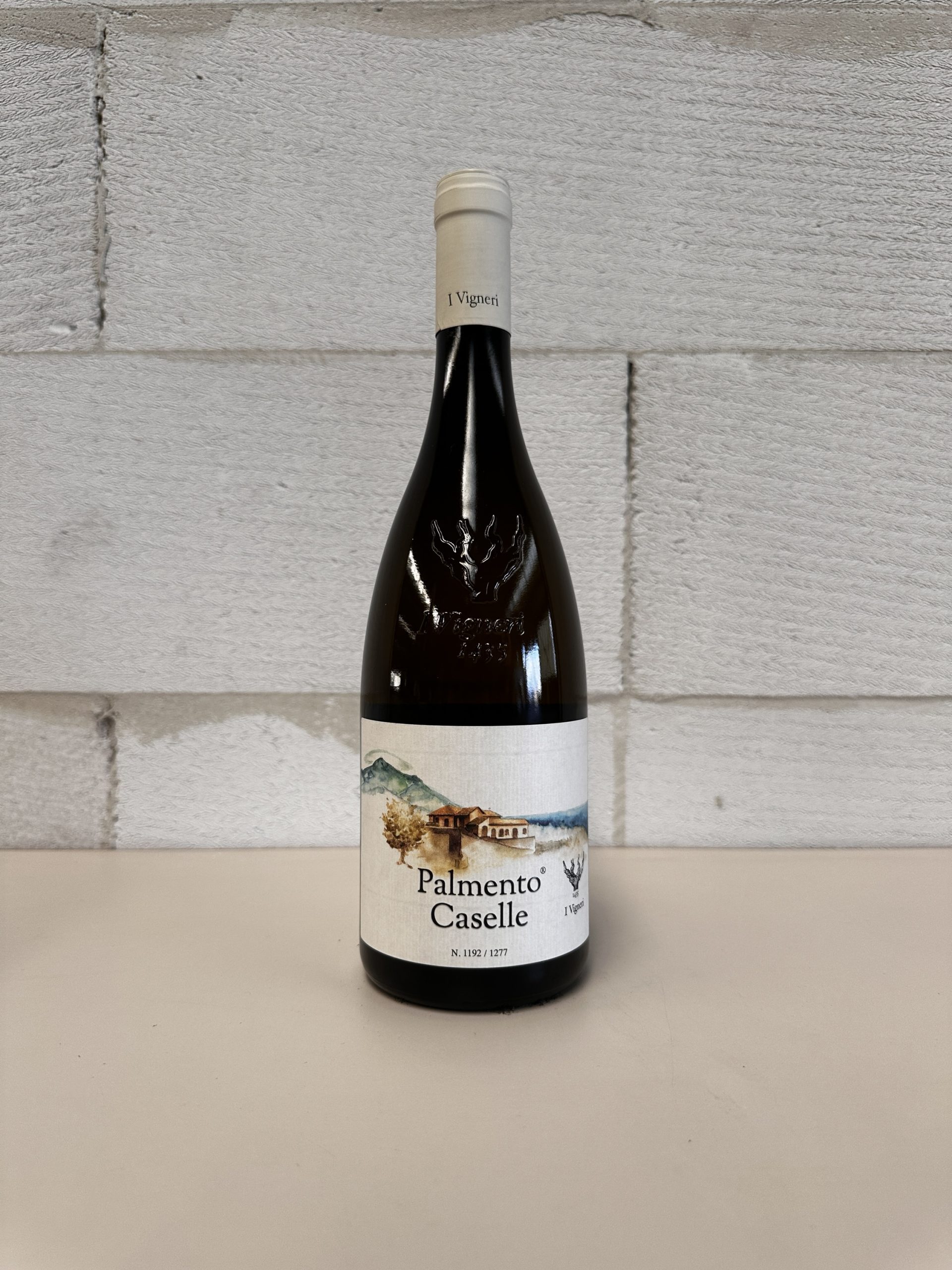
The family’s work is closely tied to palmento. These are traditional stone buildings for winemaking, where grapes are processed by gravity. Once the standard system on Etna, they are no longer permitted for commercial production under EU hygiene regulations, which exclude natural volcanic stone. I Vigneri continues to preserve and adapt them as part of the cultural and practical heritage of the mountain.
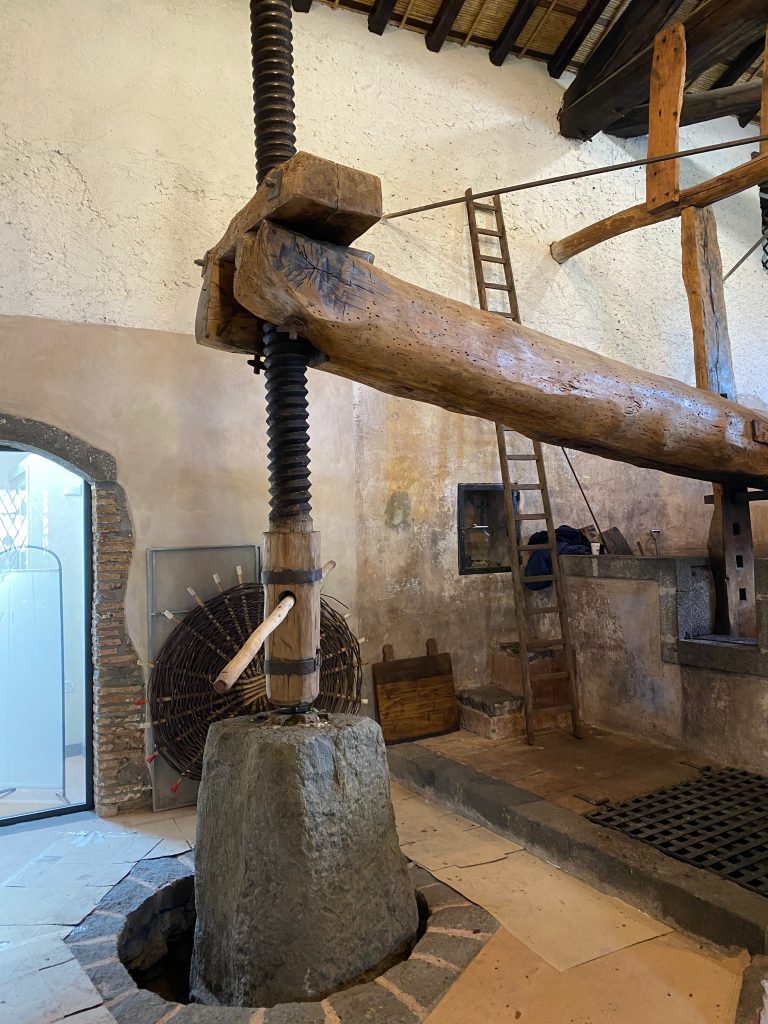

The palmento is not only historic but also well adapted to local grapes and terroir. Salvo prioritised its preservation throughout his career, stressing its harmony and suitability for Etna’s varieties. It remains viable today. Because the entire winemaking process operates by gravity, there is no need for external energy, making it efficient and sustainable.
“If this knowledge [of the palmento] is not passed down to future generations, there is a real risk of losing it entirely, which would be a significant loss.” Simone Foti
The family also uses oak barrels of different sizes, from 300 to 1,000 litres, and has experimented with amphora ageing. During a visit we saw a trial for an oxidative vin de voile.
The future of the Estate
Simone and Andrea continue the work of custodianship and measured experimentation. Vineyards remain planted at high density, supported by chestnut stakes, and trained as alberello. Practices like magliuoli propagation and parcel separation are kept as working methods. The palmento remains in use, and apprenticeship is a way of passing knowledge.
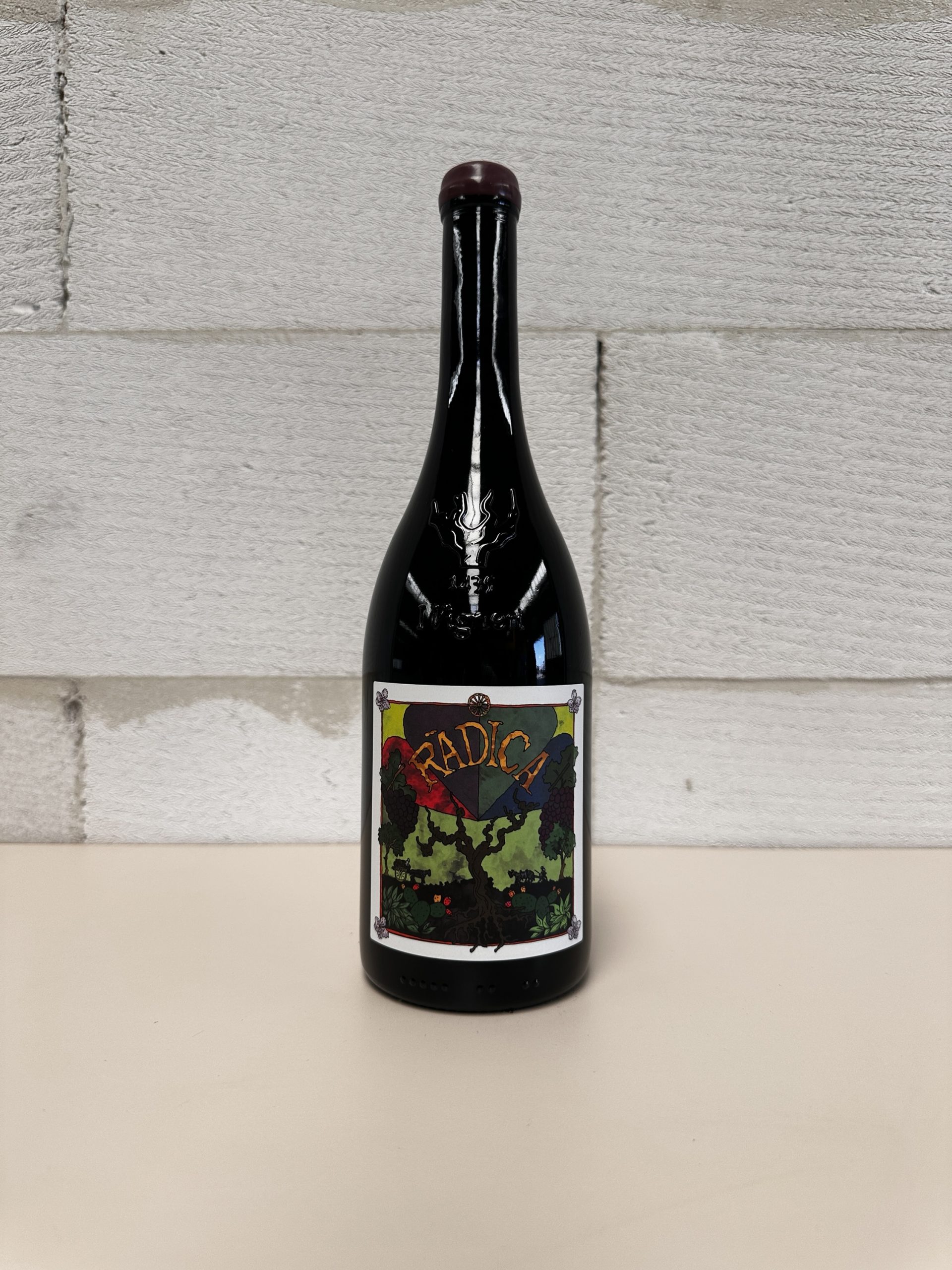
Andrea and Simone have also begun producing their own cuvées: Radica and Primavera. Their father sees them as lighter wines, a view he expressed after opening a bottle of Ploussard from Overnoy to drink with his sons in summer 2022.
The guiding principle is to produce what the family calls Vini Umani — Human Wines. Interventions are made only when justified, while risks are taken only when quality can be assured. Clean, stable wines are regarded as the basis for expressing differences in soils, altitudes, exposures, and vintages. Biodiversity in and around the vineyards is maintained pragmatically, not as a moral statement.