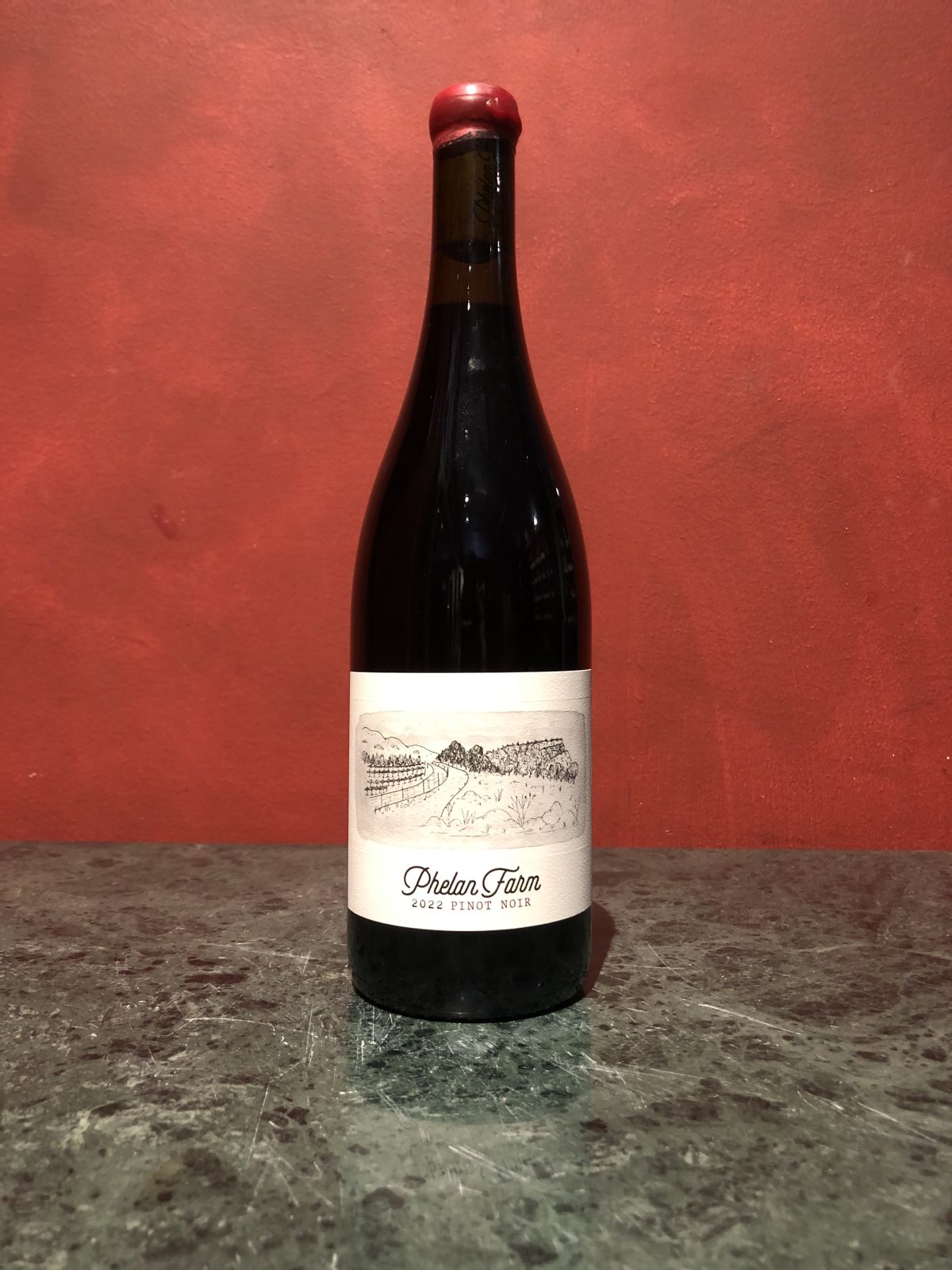
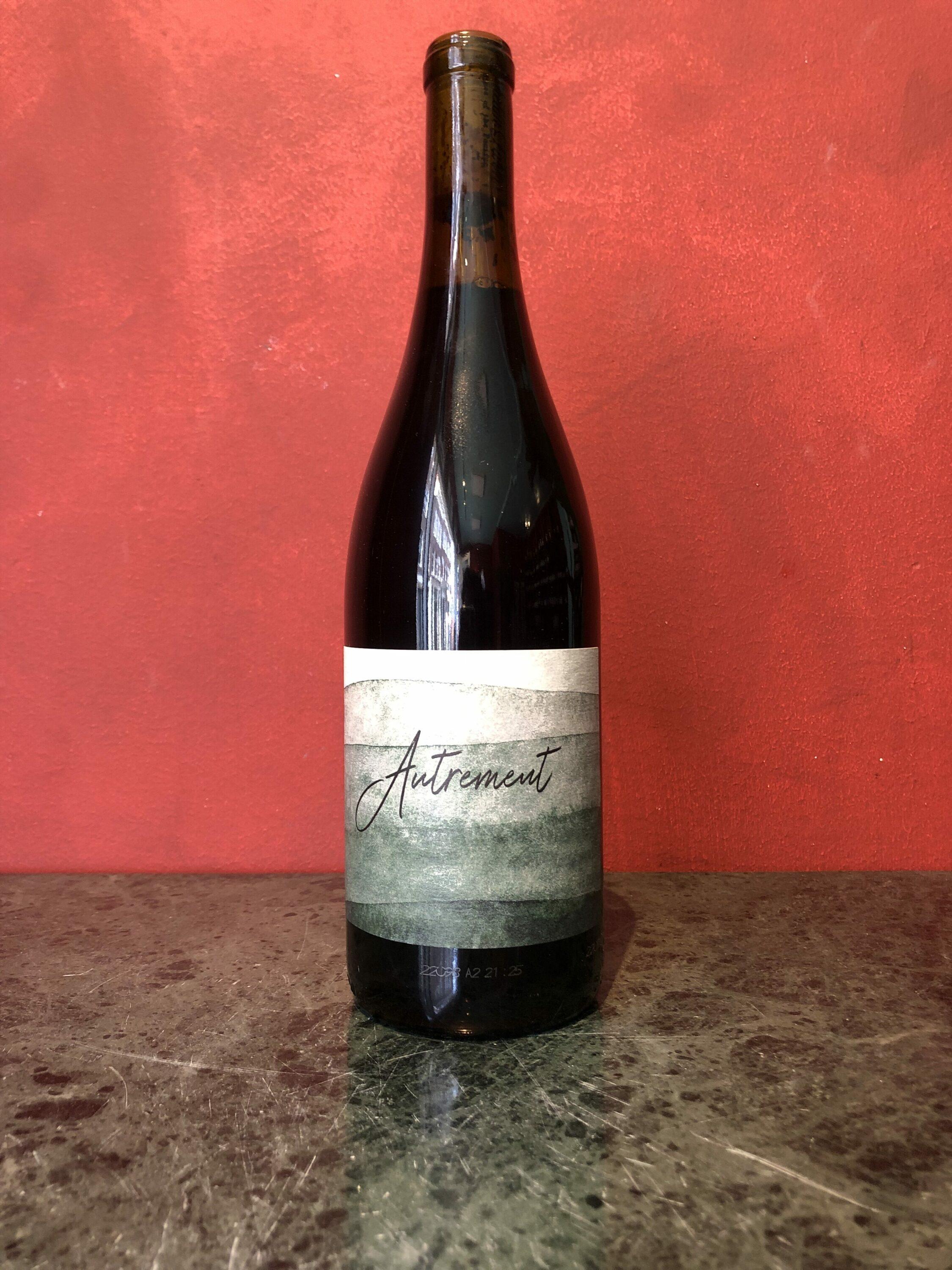
History
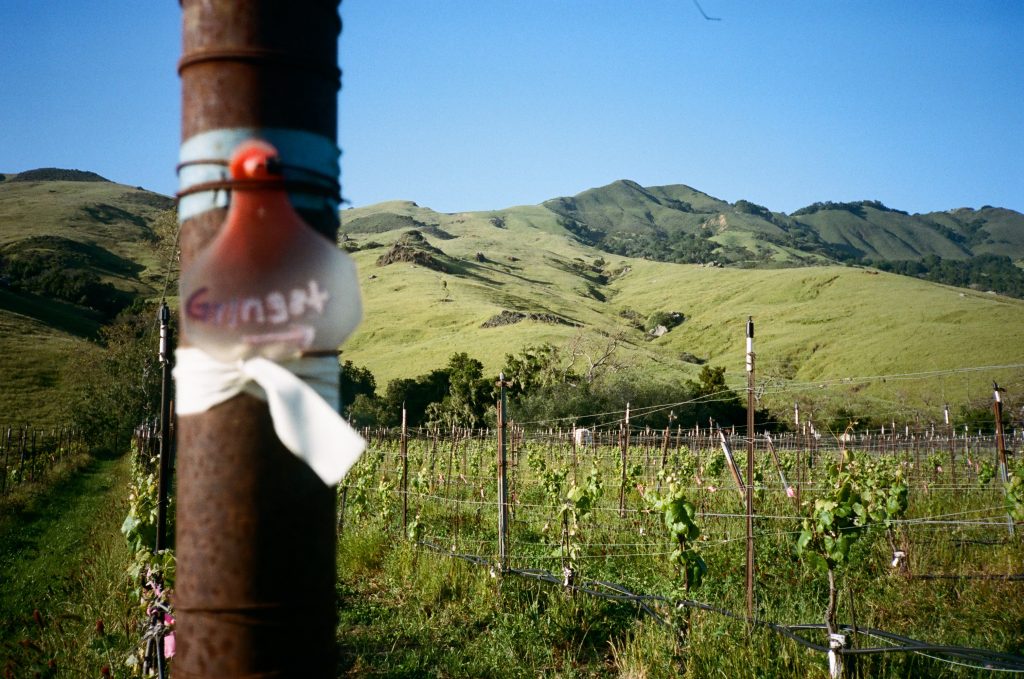
In 2019, Parr seized an opportunity to lease five hectares of Chardonnay and Pinot Noir vines at Phelan Farm, a historic cattle ranch established in 1851 by the Phelan family. The farm is nestled five kilometers inland from the Pacific Ocean in San Luis Obispo County on the Central Coast. Although Greg Phelan planted the original vines in 2007, forgoing pesticides and herbicides in favor of a healthy cover crop, Parr has taken this approach further by instituting a regenerative farming program.
Terroir & Farming
Driven by the belief that great wines originate in the vineyard, Parr moved to Cambria amid the COVID-19 pandemic to personally engage in the farming. He has eliminated the use of sulfur and copper, opting instead for homemade treatments from beneficial plants, Pacific kelp, and milk. These treatments, either grown on the property, foraged, or purchased from local farmers, fortify the vines’ immune systems and promote a healthy ecosystem. He has opted for a lightweight RTV rather than a traditional tractor for working among the vines to prevent soil compression.
Parr’s commitment to sustainability includes a no-till approach to protect soil mycology and avoid releasing carbon and nitrogen into the atmosphere. The vineyard’s diverse cover crop, sown roughly every two years, includes grains, radishes, peas, and other legumes, which are managed by grazing sheep. This practice enriches the soil and controls weeds and pests naturally.
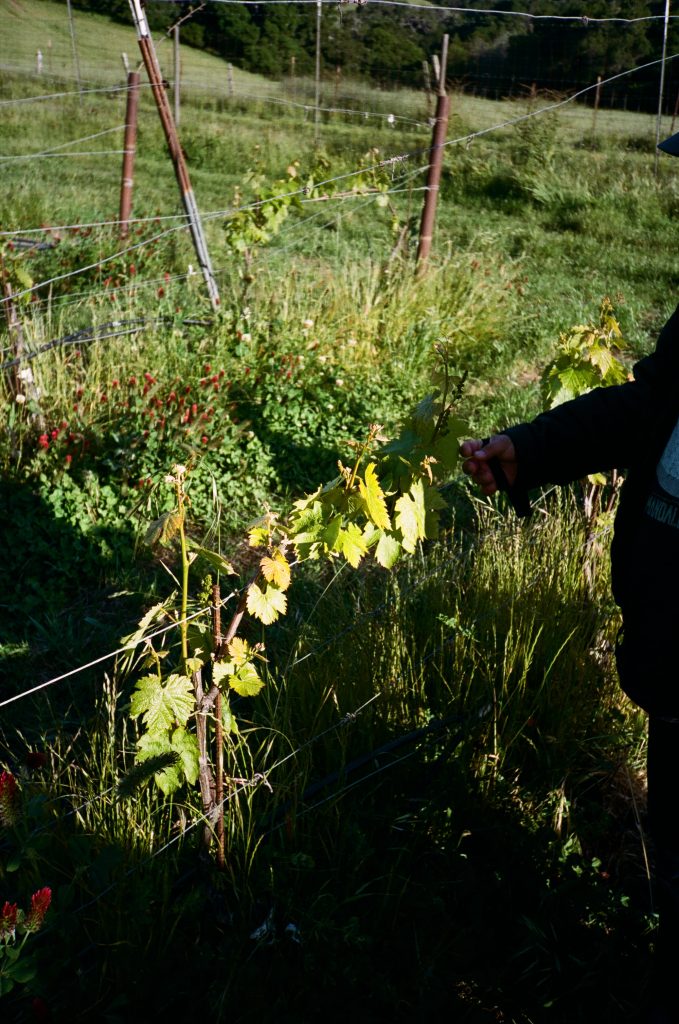
The soil types at Phelan Farm are influenced by two distinct geological formations: the Cambria Felsite and the Franciscan Mélange. The Cambria Felsite consists of hard, fine-grained volcanic rock, while the Franciscan Mélange is a complex mixture of rocks including argillite, serpentinite, and schist. The vineyards are located on alluvial terraces near Steiner Creek, where soils are derived from both geological formations, ranging from rocky and rugged to areas with alluvial clay.
Alongside the original plantings, Parr has grafted the majority of the vineyards to red and white grape varieties from Jura and Savoie, as well as Mencia from Ribeira Sacra. He also planted a small orchard of old apple varieties in 2021 to diversify the farm’s biological footprint. Phelan Farm’s vineyards are notable for their distinct geological features, including the hard, white Cambria Felsite and the Franciscan mélange, which is comprised of argillite, greywacke, serpentinite, chert, greenstone, and schist.
Winemaking

In the cellar, the wines are vinified without fining, filtration, or added sulfur, allowing them to reflect Phelan’s unique terroir and demonstrate the potential of regenerative agriculture in producing exceptional wines. Parr’s goal is to craft wines that are true to their varietal, creating a California version of natural wine classics while still showcasing Cambria’s unique terroir.
An exciting development for Phelan Farm is its recent expansion from five to thirteen hectares through the leasing of Stolo Vineyards, also in Cambria. This growth enables Parr to produce more estate Phelan Farm wine and apply his natural farming practices on a larger scale.
Other Associated Projects
In addition to Phelan Farm’s core wines, Parr has Brij Wines and the Scythian Wine Company. Brij Wines are made from purchased fruit, showcasing other exceptional California vineyards and terroirs. The Scythian Wine Company focuses on producing wines from historically significant old vineyards in the Los Angeles area, planted with grape varieties popular in the pre-phylloxera era such as Palomino, Mission, Zinfandel, and Alicante Bouschet.Parr’s projects extend to crafting two ciders from organically farmed apples in Watsonville and Phelan grapes. These ciders are savory and vinous, reflecting the same serious, thoughtful approach Parr applies to his wines. Through his ventures, Rajat Parr continues to push the boundaries of winemaking, blending traditional practices with innovative approaches to create wines that truly embody their origins and reflect his commitment to sustainable and regenerative agriculture.
View the wines of Brij here and of Scythian Company here on our website.